
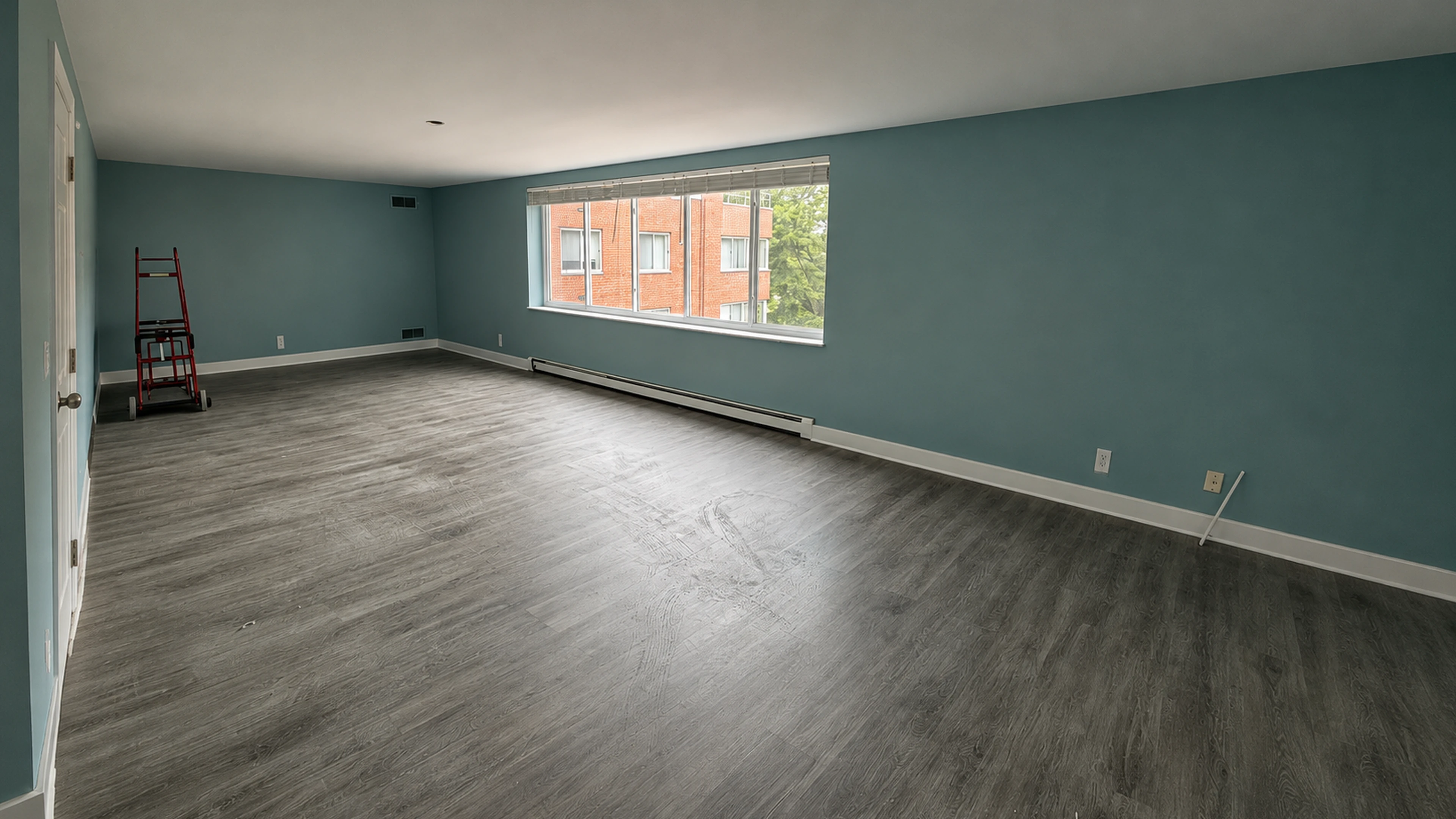
Give each part of the room a purpose
Mark the paths between doors, seating and the items you use often. Notice where furniture or loose belongings make those paths uncomfortable. This exercise can reveal whether the main issue is insufficient storage, furniture placement or a surface that no longer suits the room.
Keep a list of the items that need to be stored rather than starting with a shelf design. A place for tall equipment has different needs from a display shelf or everyday household storage. Approximate dimensions and a few photos make the request easier to explain.
Use carpentry where it solves a real need
Shelving, cabinets and trim can make an existing area feel more intentional. Consider the surrounding doors, windows and furniture before deciding where new storage should go. A smaller piece that fits the way you use the room can be more useful than filling every available wall.
Talk with us about carpentry and woodwork when you want to repair storage, add shelving or discuss a custom installation.
Coordinate the finishes around the change
New storage can draw attention to the wall or floor beside it. Review any needed plaster repairs, painting and flooring at the same time so the area feels connected. Keep the scope focused on the room you already have rather than assuming a storage project requires structural changes.
If you are planning an update in Eastlake, Cleveland Heights or another community we serve, tell us what the room needs to do better. We can discuss supported repair and improvement options around that goal. Bring your notes and ask for a free estimate to help move the idea forward.