
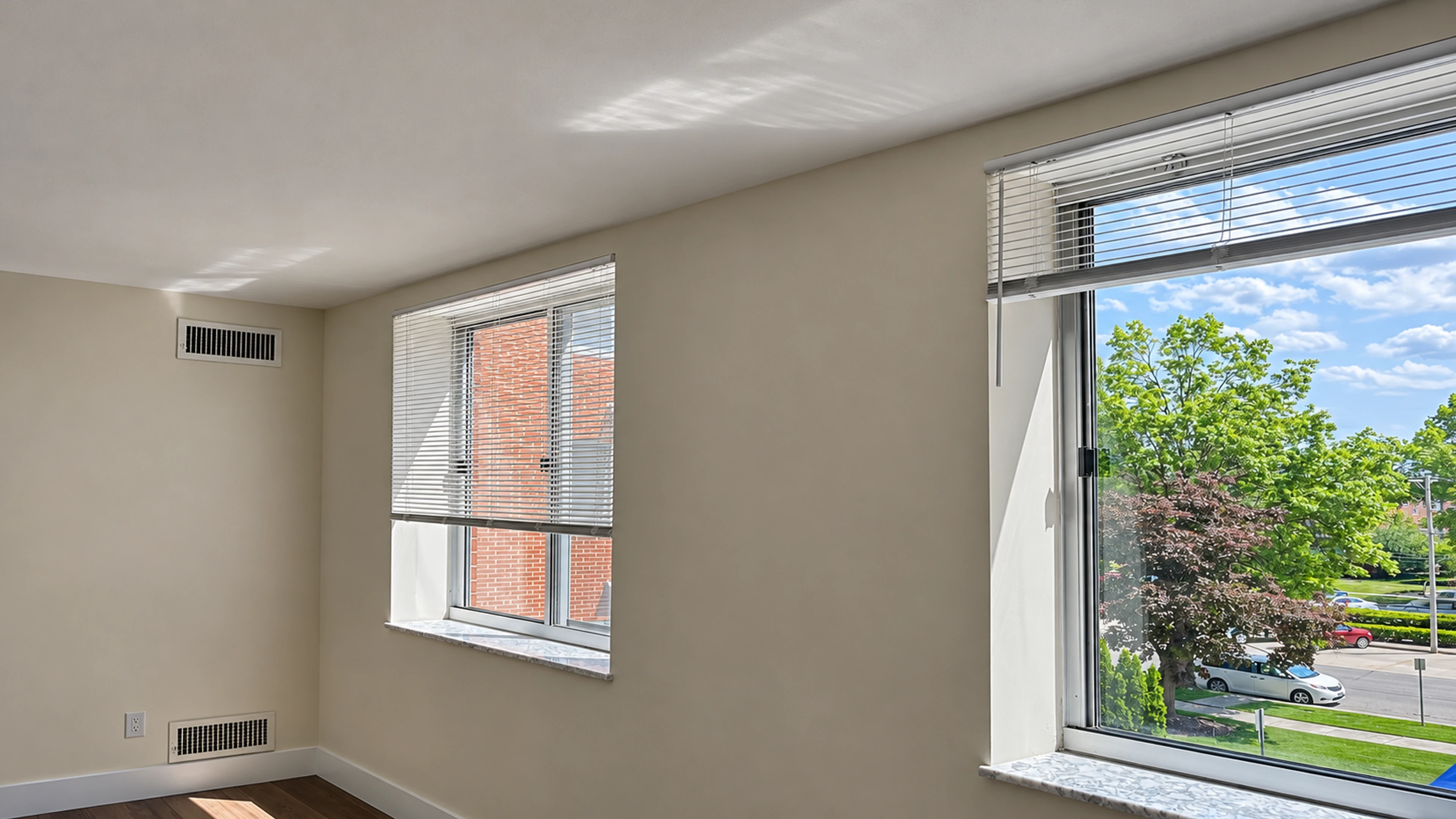
Create a baseline for each area
Walk through accessible indoor rooms and outdoor areas and record their current condition. Photograph finishes, doors, fixtures and planting areas you want to monitor. Label each image with its location so later comparisons remain useful.
Keep concerns specific: a mark below one window, a cabinet door that catches or a bed that needs cleanup. Avoid diagnosing a hidden cause from a single photograph. Your baseline should describe what is visible and what questions remain.
Separate routines from repairs and assessments
Routine care, a repair and a specialist assessment are different tasks. Keep manufacturer care instructions for equipment and finishes, and record any professional maintenance advice. A generic calendar should not override instructions for a particular product or system.
If a condition changes or returns after work, preserve that history. Note what changed, when you observed it and who previously reviewed it. This gives the next conversation more context than a repeated request to patch the same visible symptom.
Assign a clear next step to unresolved items
Give every concern a location, priority and next action. That action may be gathering a photo, contacting a specialist or requesting a repair estimate. Items with no next step tend to remain on the list without becoming easier to resolve.
Bring related finishes into the plan when appropriate. A plaster repair may be followed by preparation and painting, but the condition behind the damage should be understood before an appearance-only update is assumed to be sufficient.
Our plaster repair and maintenance services are relevant when you are organizing work on damaged wall or ceiling finishes.
Review what was completed and what remains
After work, keep the agreed scope, relevant product details and any care information with the record. Mark which tasks were completed and which were excluded. That distinction matters when another room or a later maintenance review brings the same feature back into view.
A useful record can be a small folder and a short list. We can discuss repair needs for homes and businesses across the communities we serve. Use your notes to decide the next manageable action rather than trying to schedule every future improvement at once.