
Map the paths you need to keep open
Look at how you enter the room, reach windows and move between the items you use most. Note where furniture or loose belongings interrupt those paths. This helps distinguish a storage problem from a layout preference.
Keep doors, windows, fixed fixtures and access needs visible in your notes. A shelving idea should be considered alongside those features, not just against an empty wall measurement. Use a simple sketch and photographs rather than guessing from memory.
Design the storage request around real belongings
List what needs a place and how often you need it. Everyday supplies, display items and larger equipment can call for different storage arrangements. Approximate dimensions give the conversation a more useful starting point than a request for more shelves.
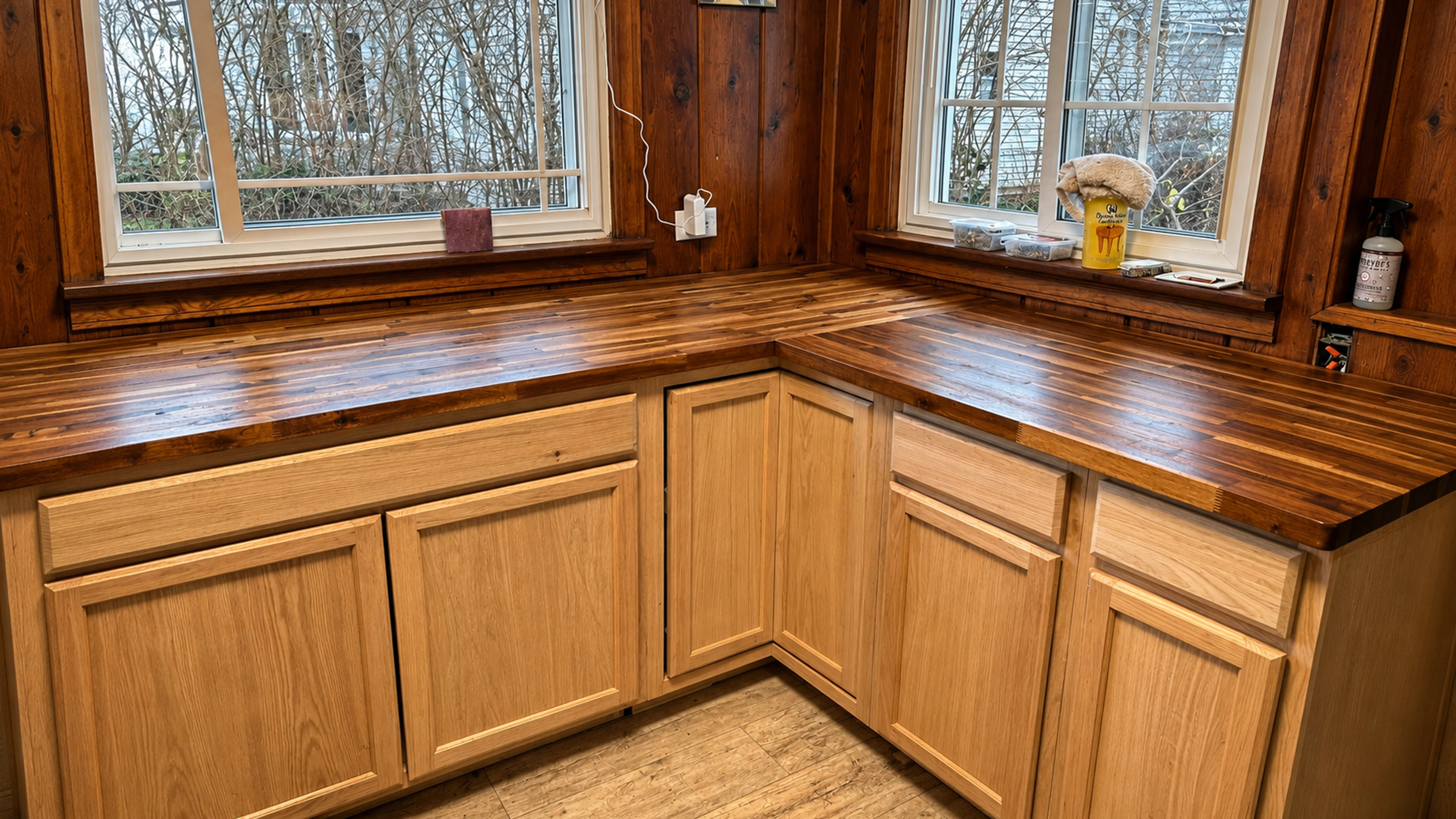
Ask how proposed cabinetry or shelving will meet the existing trim, walls and flooring. Include the finish you expect around the installation. Keep room use and access in view rather than filling every available surface.
Our carpentry and woodwork services include shelving and cabinet work that you can discuss around a defined storage need.
Review light and finishes without promising extra space
Notice which parts of the room receive daylight and which existing finishes you want to keep. Compare paint and floor ideas within that setting. Appearance changes can support a coordinated room without changing its actual dimensions.
If a wall or floor is damaged, separate its repair from the decorative choice. Identify adjoining surfaces and any furniture that affects access. This keeps a simple visual update from hiding preparation work that still needs discussion.
Test the idea against a normal day
Imagine using the room with the proposed changes in place. Ask where everyday items will go, how doors will open and which surfaces need to remain accessible. Revisit a feature if its only benefit is how it looks in a reference photo.
Bring the sketch, room photos and the practical result you want when you contact us. We can discuss relevant repairs, painting, flooring or carpentry for your property. A useful small-space improvement should fit the way you live or work.